[academia_icon_box layout_style=”style4″ icon_type=”image” icon_image=”3592″ title=”הוד – Hod” description=”Splendor, Spiritual Surrender, Awe, Gratitude, Humility”]
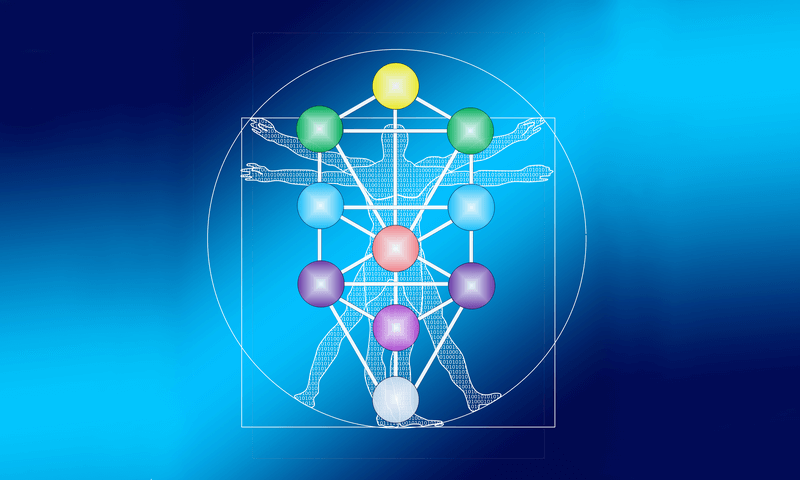
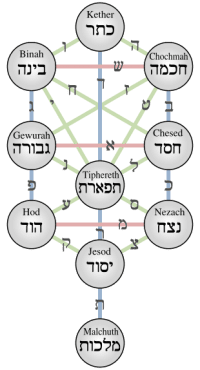
Hod is about the process of aligning the Human and Divine Will, feeling awe, trusting the universe, letting go, the source of humbleness, a conduit through which grace is given. It’s about the state of sincerity. Netzach and Hod unite in Yesod, which is the foundation of creativity and productivity. When we are experiencing an expansive moment of Hod, we need to understand that it will not last forever. Hod moments give us the juice to keep going on; Netzach is the going on itself. On the more mundane planes, we can understand Hod as inspiration, and Netzach as perspiration. Hod are those moments of insight at which we sing and shout “Awwww!” Netzach is the rest of the time. Whereas Chesed and Geburah signify unbounded loving-kindness and its constriction so that beings can receive according to their ability, Netzach and Hod are the two Sefirot that define the ability of the recipient to receive. Chesed, Geburah, and Tipareth manifest in the upper part of the body, in the arms and torso. With the energies of Netzach and Hod (which correspond to the right and left hips / legs / feet, respectively) we can learn to be firmly grounded even while we are striving for great heights. At the same time, we won’t lose sight of our capabilities despite our yearning for things beyond. Netzech and Hod adapt a subtle concept of the Creator’s mind and modify it to match the capacity of the student. They determine how things should be presented so that teachings are understood. They serve as tools or vessels for applications of kindness, justice, and compassion in the world. Unlike the upper sefirot, which acts as a stimulant of will and reason, those sefirot follow the casual order, they provide a sort of a distribution measure of loving-kindness. Netzach and Hod (the right and left legs), can only perform their function if they walk–together. They teach us that it’s not sufficient that we as humans have individual desires, intellects, and emotions, we are also invited to build something of enduring value in arts, culture, spirituality, community, etc.